

World News in Brief: Cycle of violence continues in Haiti, seafarer deaths off Somalia, food insecurity in the Middle East
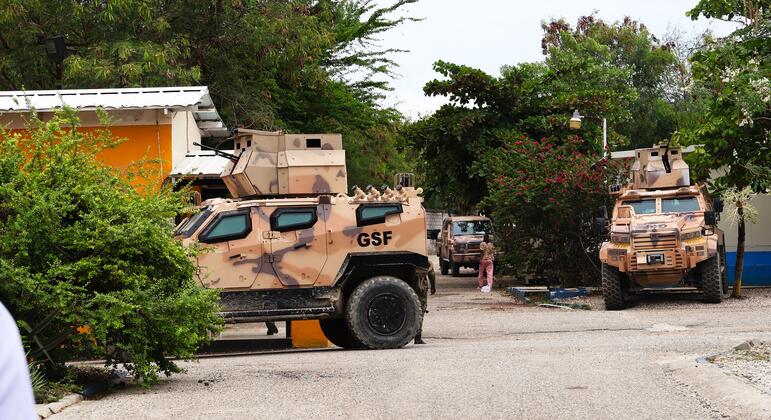 Haitians remain in the grip of lethal gang violence as it continues to “adapt and expand”, the UN’s top rights official, Volker Türk, said on Friday.
In an update to the Human Rights Council, the High Commissioner welcomed the first Gang Suppression Force operations, mandated by the UN Security Council.
Tweet URL
These will help boost security in Haiti “but the Force remains far below the strength needed”, Mr. Türk insisted, in support of its “full, accelerated deployment” with human rights safeguards embedded.
Grim toll
At least 5,700 people have been confirmed killed or injured by gangs – or during operations against them – since 1 January, according to the UN human rights office, OHCHR.
Gang members have also kidnapped more than 230 people and raped at least 1,000 women and girls. The real figures are likely much higher, Mr. Türk said.
In his update, the High Commissioner for Human Rights also warned that “extortion, looting and destruction of property” are crippling economic activity in Haiti.
The “constant danger” prevents people from reaching schools, hospitals, and essential services, Mr. Türk stressed.
Five seafarers killed as three hijacked ships are freed off Somalia
Three hijacked ships have been freed after months in captivity, but five seafarers died during the rescue of one of them, the head of the International Maritime Organization (IMO) has said.
IMO Secretary-General Arsenio Dominguez offered his condolences after the operation to free the HONOUR 25 in Somali waters on 29 September, in which several other crew members were seriously injured.
Mr. Dominguez said seafarers “should not have to lose their lives for the service they provide for the world”, and called for renewed resolve, targeted cooperation and the resources needed to stop piracy in the region.
© Adobe Stock/Antony
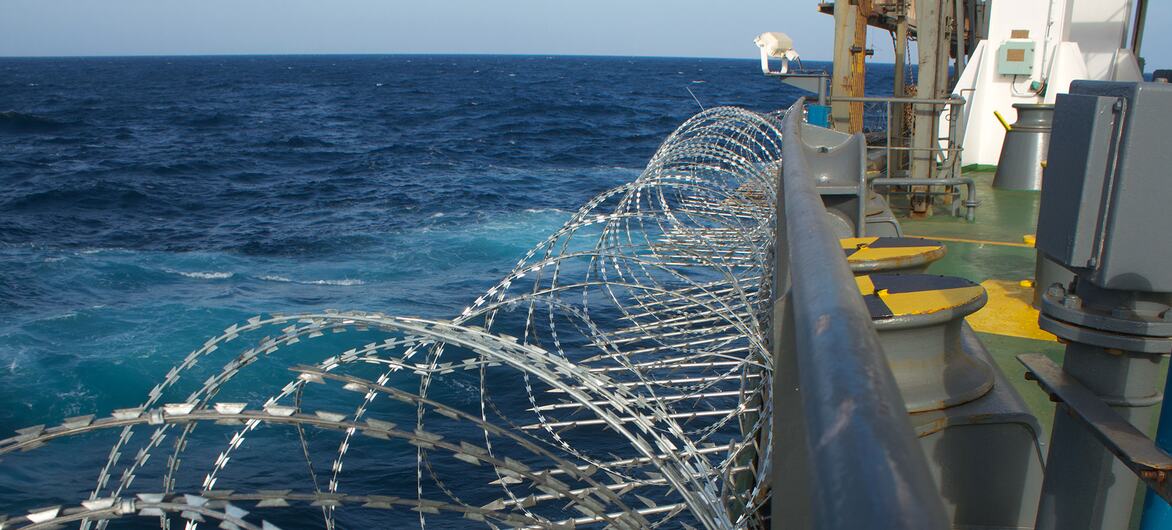
Anti-piracy razor wire lines the railing of a ship sailing through open water.
Repatriation effort underway
The HONOUR 25 was one of three vessels released this week, along with the SEAMULL (also known as SIBU 1) and the MT EUREKA, all seized between April and August by pirates and armed robbers.
In total, 44 seafarers were freed and their governments are working to arrange their repatriation. Mr. Dominguez thanked Somalia’s Government for its efforts, but noted that 22 seafarers remain captive aboard the ASANA.
He urged Governments to bring new initiatives, such as the proposed Group of Friends of Safety and Security of Shipping and Seafarers, to the IMO, and stressed the importance of the EUNAVFOR Aspides and Atalanta operations for maritime security in the region.
Millions more women could go hungry as tensions escalate in the Middle East
Tweet URL
An additional 11.7 million women and girls in 28 countries could face food insecurity by the end of the year due to the escalating conflict in the Middle East and disruptions in the Strait of Hormuz.
These crises are driving up food prices and putting a strain on livelihoods and household resources, UN Women said in new analysis published on Friday.
Presenting the findings to journalists in Geneva, UN Women Deputy Executive Director Nyaradzayi Gumbonzvanda said the estimates are a potential scenario, not a forecast, and that the number is in addition to the 208 million women and girls who were already estimated to be food insecure or malnourished in these countries.
“Experience from past conflicts shows that when food is scarce, women often reduce the amount they eat or skip meals so that children and other family members can eat,” she said.
The greatest numbers of women and girls at risk are in populous countries, while South Sudan, Sudan, Haiti, Yemen and Palestine face the highest concentration of overlapping vulnerabilities.
Calls for urgent action
UN Women recommends linking food and cash assistance to nutrition, protection, employment and agricultural services. Women should also have access to land, credit and productive resources.
The agency also highlighted the need for better collection of data that shows where food insecurity is worsening and who is eating less, losing income and carrying the heaviest burden of unpaid care work.


